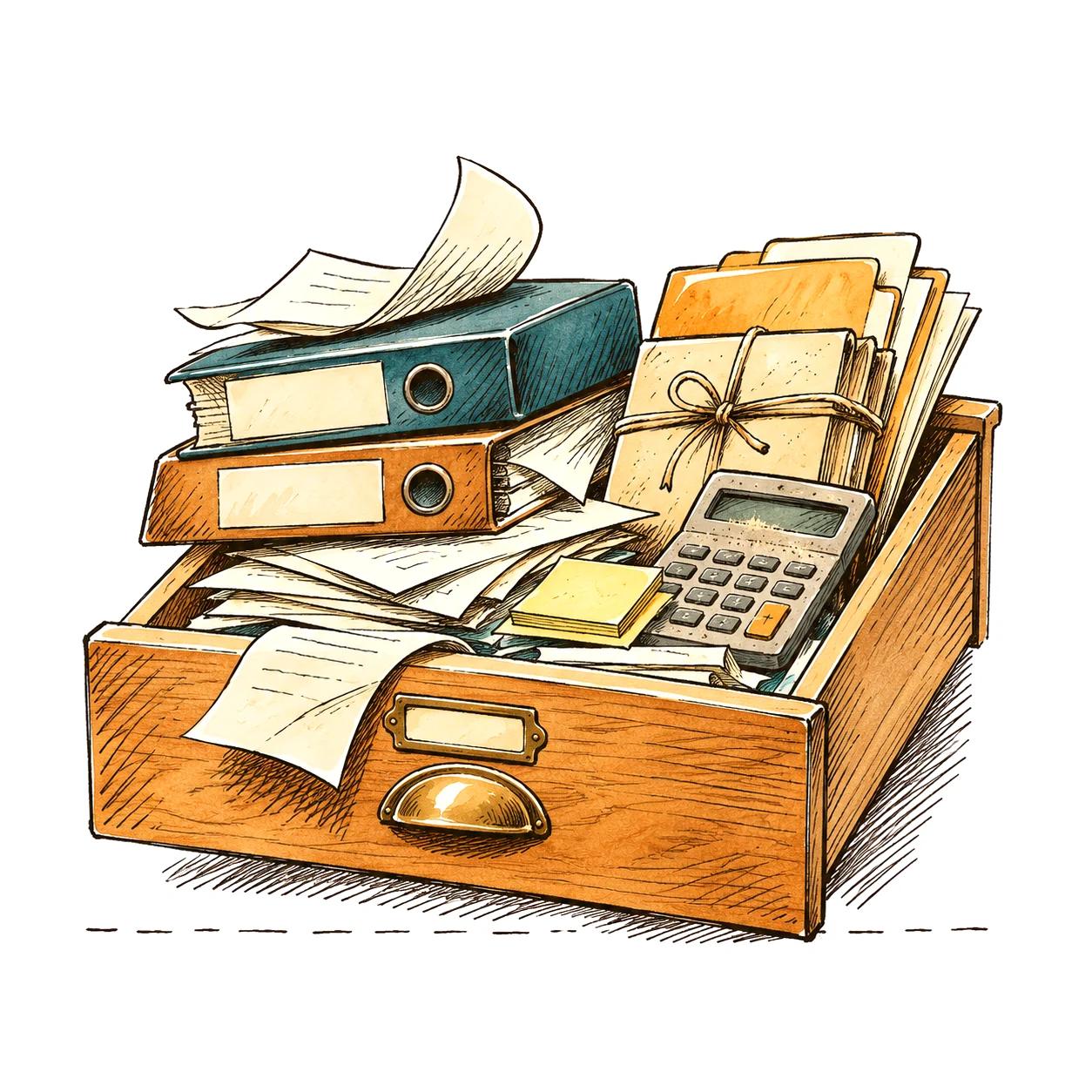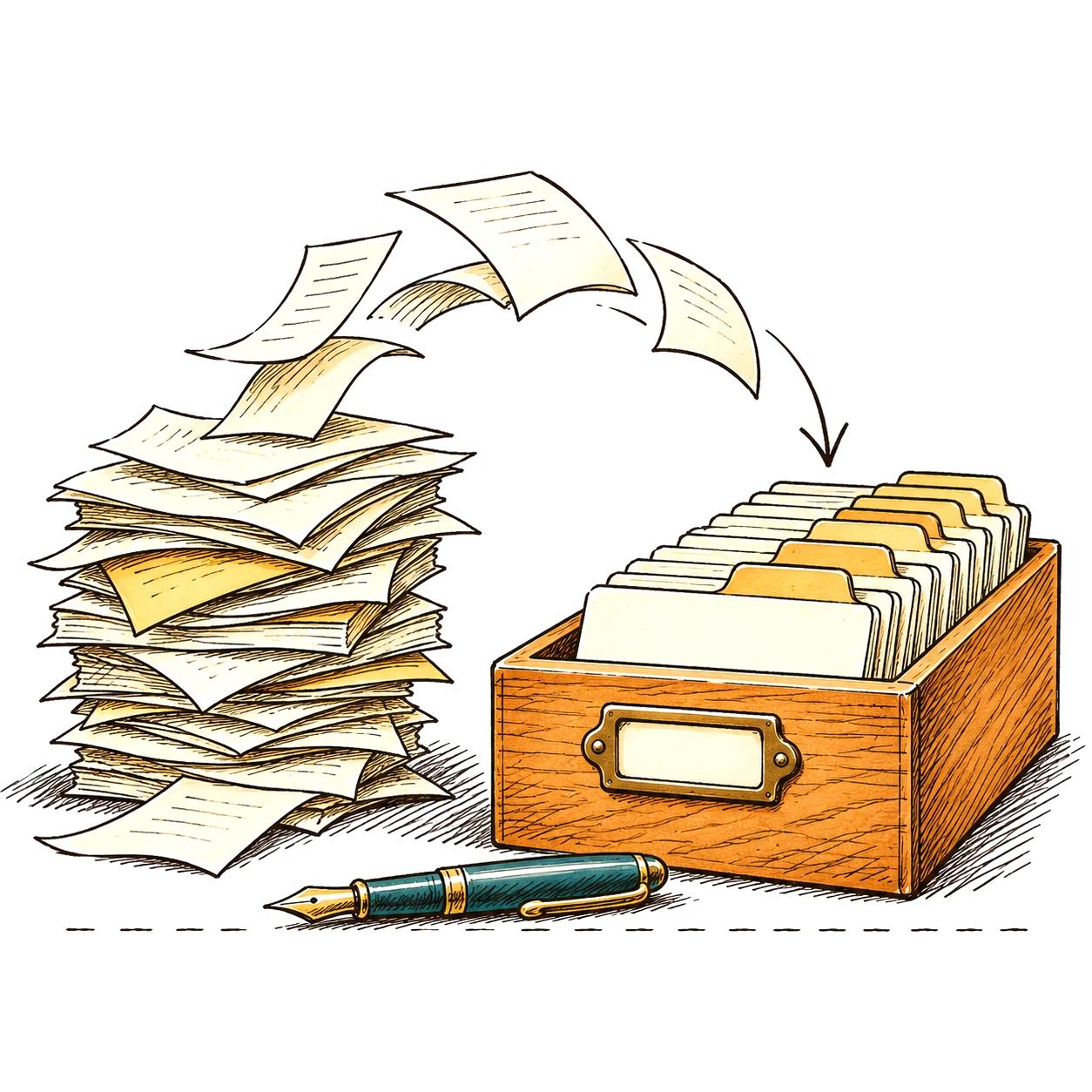



Monday
A letter lands on Anna’s desk.
A colleague asks, in writing: am I paid the same as others doing work like mine? The directive gives the company two months to answer.
FairGrade turns your job list into consistent grades, market-tested pay bands, and the documentation the directive calls for. Built for European companies.
The law now says: equal pay for work of equal value. FairGrade measures that value. Five things every job demands, scored the same way for everyone. Here are the six people from the picture.
 Warehouse shift lead

Same grade, same pay band: 6,400–8,500 PLN a month.
Demo figuresThe EU Pay Transparency Directive lets candidates and employees ask about pay, and makes the company report on it. Here are the six people from the picture again, each with a question. FairGrade answers every one on paper, from your grades.
 What does this job pay?
The range comes straight from the grade, the same for every applicant.
And if you cannot answer? In a pay dispute it is the employer who must prove there was no discrimination. Only the first two questions are law in Poland today; for the rest the national act is still a draft, and the articles and dates here are those of the directive.

Anna runs HR at a company of 180 people. On Monday one letter lands on her desk. A short film in seven drawings.
Monday
A colleague asks, in writing: am I paid the same as others doing work like mine? The directive gives the company two months to answer.
This is what Anna opened on Wednesday evening. The job list goes in. Grades, pay bands and the reports the directive asks for come out. Follow one job, the nurse, through all four steps.

One job is shown here. FairGrade does the same for the whole job list.
What Anna dropped in
What came back
Derived: found in your files. Proposed: suggested, you decide. Missing: a person has to answer.
A job description the manager can sign.
That depends on how many people work at the company. Anna’s has 180. Set your own number and see your own date.
All four apply to a company of 180.
198 days left
It reports on 2026, the year that is almost over.
Sizes and dates are those of Directive (EU) 2023/970, Article 9. Poland’s own act is still a draft and may set different dates.
An inspector, a works council or the employee can ask why. Scroll down: five questions, and each time the file has the answer.
Friday’s answer said: grade 15.
Why grade 15?
“Mistakes reach the patient directly.”
Fifteen scores. Each one has a reason like this, written in words.
Who decided that?
Anna K., HR manager
18 Nov 2026, 20:05
No grade is final until a named person approves it. The name and the time stay on record.
What exactly did you grade?
A published description is a frozen snapshot. Every later edit becomes a new version.
And where did that come from?
Kept exactly as they arrived. There are eleven ways to bring a file in: Word, PDF, scans, photos, voice, Excel and more.
Who else can see our pay?
That is what holds up when an inspector, a works council or an employee asks why.
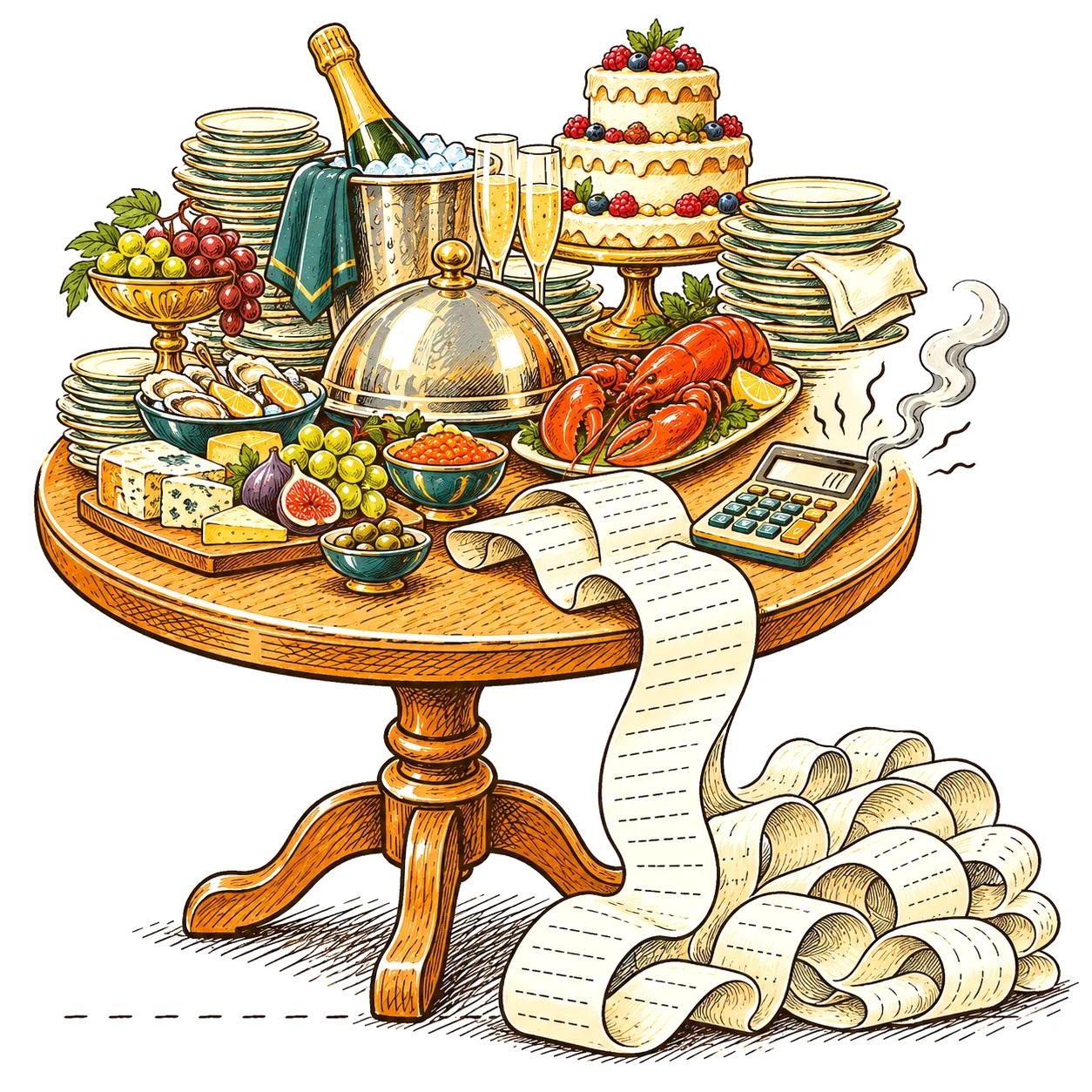
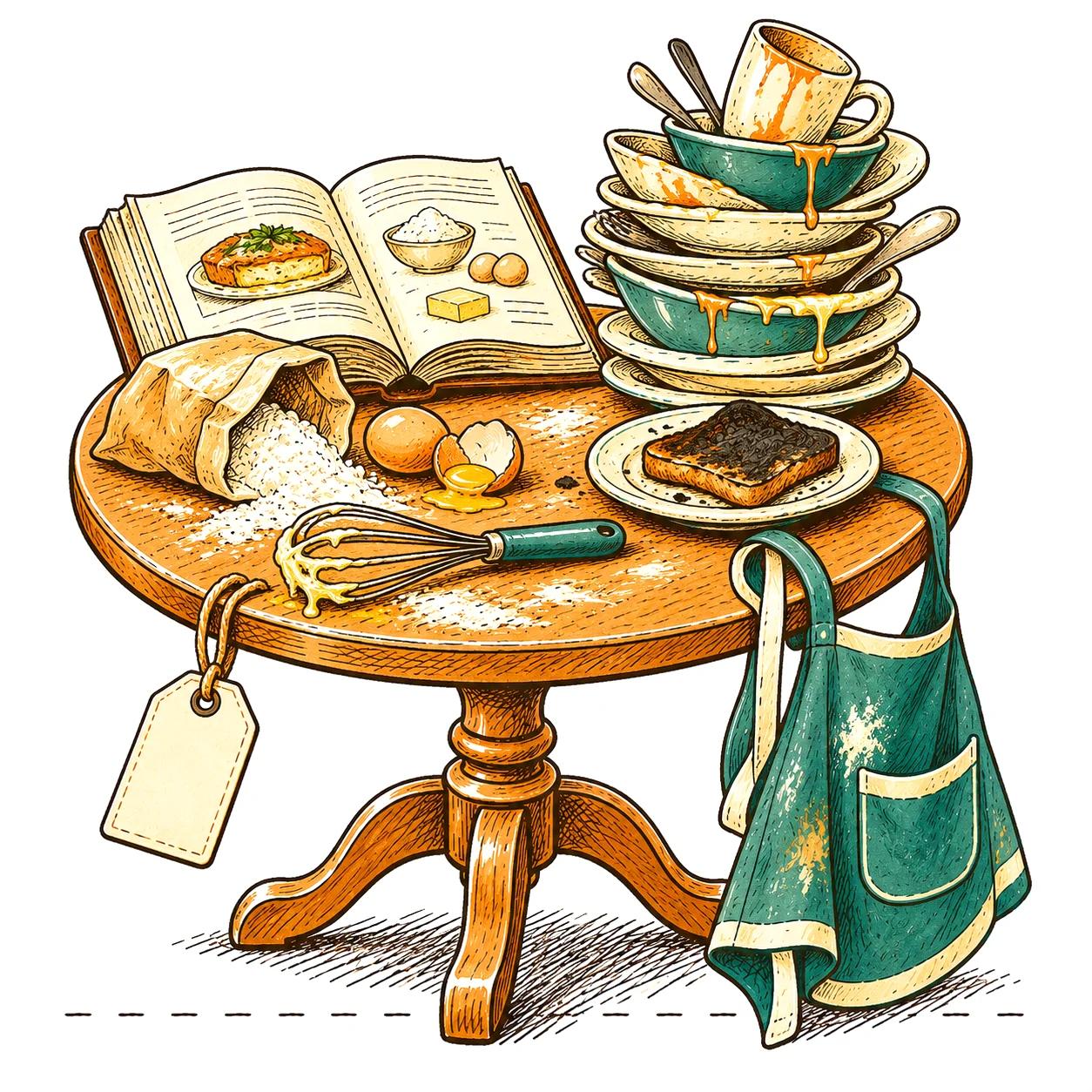
Read how the method worksThe film ended at a small table with a cup of hot coffee. Here is the same table, and the bill.




Equal pay for women and men was promised in 1957. This is the road that promise has travelled since.

Six countries sign a treaty. Article 119 says women and men should get equal pay for equal work.
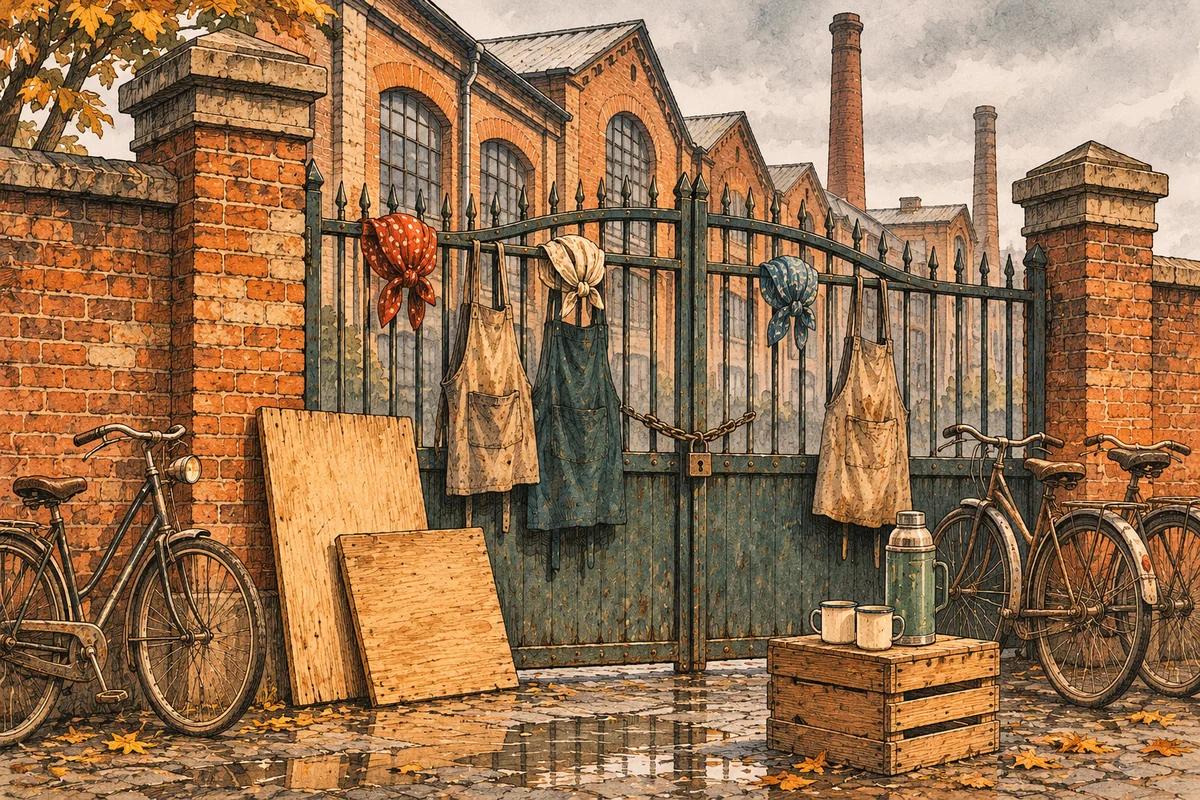
Three thousand women at an arms factory put down their tools. They ask for Article 119 by name.

Flight attendant Gabrielle Defrenne takes her airline to court. The judges rule: anyone can claim equal pay.

A new directive: say what a job pays, answer when someone asks, and report the gap.

Women still earn 11% less an hour than men, on average across the EU.Eurostat, data for 2024

7 June 2027: the first reports are due. The rest of this card is blank. It is yours to write.
See where your company stands today and what is still missing.
Check your readinessOffer pay transparency to your clients as your own service: keep your own fee, and earn 10% of their subscription every year.
Become a partner